 Petguardian
Cats, Pregnancy and Toxoplasmosis: What Catster's Podcast Wants Owners to Know
Cat Health·October 2, 2026
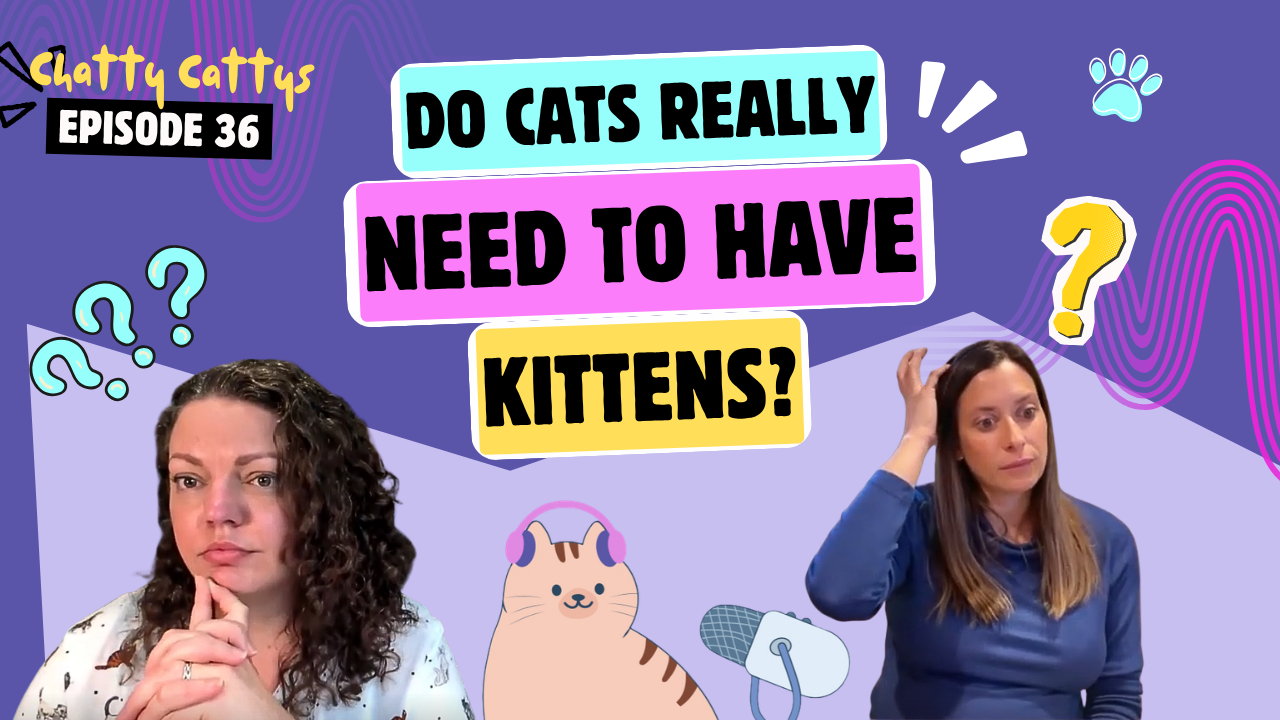
Few cat-related health worries cause as much anxiety as toxoplasmosis during pregnancy, and it is one of the topics at the center of Episode 36 of Catster's Chatty Cattys podcast. Hosts Dr. Karyn and Nicole also cover litters of kittens and the surprise smells that cat households tend to produce. The episode listing is thin on detail, so this piece focuses on the background that makes the conversation useful rather than on what was said in any particular segment.
Toxoplasmosis is caused by a microscopic parasite called Toxoplasma gondii. Cats are the only animals that shed its infectious eggs in their feces, which is why they get so much of the blame. In reality, most people who catch the parasite pick it up from undercooked meat, unwashed produce or contaminated soil, not from the family cat.
For pregnant people, the concern is real but manageable. An infection that is passed to a developing baby can cause serious problems, so health authorities advise taking sensible precautions. The most commonly cited advice is simple. Ask someone else to scoop the litter box. If that is not possible, wear gloves and wash your hands thoroughly afterward. Gardening gloves are also a good idea, since outdoor soil can hold the parasite.
The timing matters, too. A cat typically sheds the parasite only for a short window, usually after its first exposure, and the eggs need a day or more outside the body before they become infectious. Cleaning the box daily therefore cuts the risk considerably. Keeping cats indoors and feeding them commercial food rather than raw meat lowers the odds that they become infected in the first place.
Anyone who is pregnant or planning to be, and who has questions about their own situation, should talk to their doctor. A vet can advise on the cat's side of the equation.
The episode's nod to litters of kittens ties in neatly. Households that foster or welcome a surprise litter often have more litter boxes, more cleanup and more questions about hygiene. Young kittens are also more likely to be experiencing their first exposure to common parasites, which is another reason good routines and regular veterinary checks matter.
Then there are the surprise smells. A sudden change in odor from a cat's litter, coat, breath or home is often the first clue that something is off. Strong or unusual smells can point to dental disease, skin infections, urinary problems or digestive upset. Owners who notice a new scent that does not go away are better off mentioning it to a vet than hoping it passes.
Chatty Cattys is a casual, conversational format, and it is a friendly way to hear a veterinarian talk through topics that can otherwise feel intimidating. The key takeaway for expectant cat owners is reassuring. You do not have to give up your cat. A few habits, applied consistently, go a long way.
Reporting based on an external source.