 Petguardian
Feral Cat Awareness Month Puts Community Cats in the Spotlight
Cat Welfare·October 2, 2026
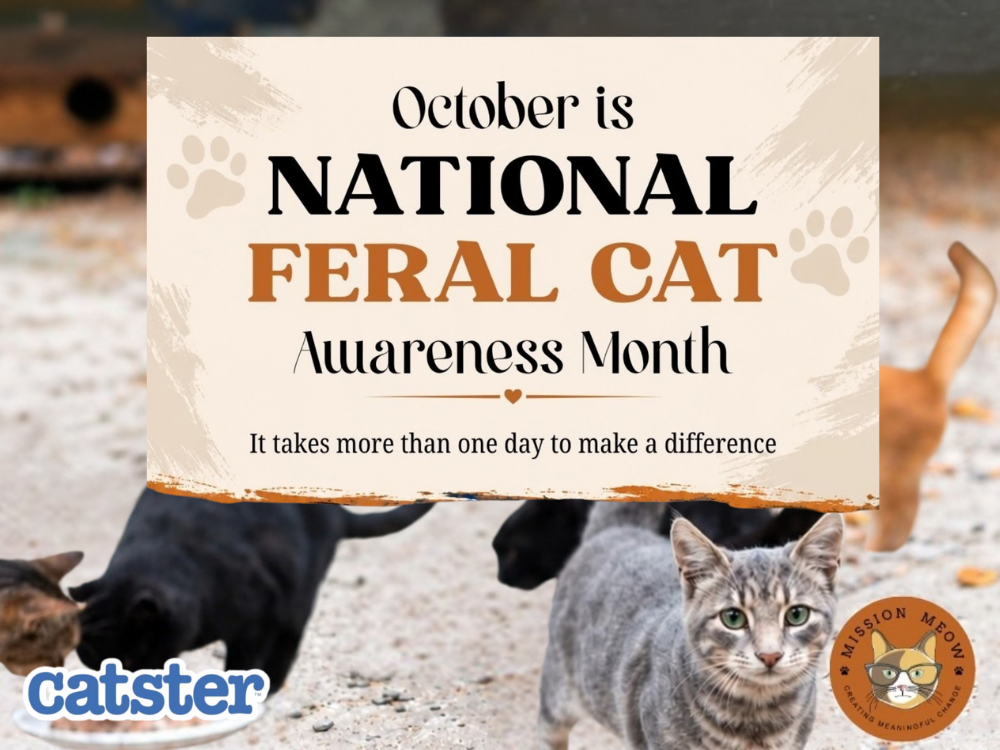
Feral Cat Awareness Month is a good moment to take a fresh look at the cats living outside in neighborhoods, parking lots and alleyways. To mark it, Catster has pulled its articles on feral cats, trap-neuter-return (TNR), community cat care and related topics into a single collection, so readers can find trustworthy information without digging through scattered pages.
The collection covers the basics that many people get wrong. Feral cats are not simply stray pets. They are typically unsocialized to people, often wary or fearful of contact, and have grown up or adapted to life outdoors. Community cats is the broader term used for outdoor cats, whether feral, stray or semi-friendly, who are looked after by neighbors, volunteers or colony caregivers.
TNR is the centerpiece of modern humane management for these cats. The approach involves safely trapping the cats, having them spayed or neutered and vaccinated by a veterinarian, and returning them to the place they were found. Cats that have been sterilized are commonly ear-tipped, a small, painless clipped tip of one ear that signals to others that the animal has already been through the program. Over time, TNR stops the cycle of litters, which is the main driver of colony growth, and can reduce the nuisance behaviors tied to mating, such as yowling and fighting.
Caregiving is the other piece. Responsible colony caretakers provide steady feeding schedules, clean water and basic shelter, which becomes especially important when temperatures drop. Simple insulated shelters can make a big difference in winter. Caregivers are also encouraged to keep an eye on the health of the colony and to work with local rescues or clinics, many of which offer low-cost or free spay and neuter services for community cats.
For people who are new to the topic, the hub is designed as a starting point. Readers who have spotted an unfamiliar cat near their home can learn how to tell a feral cat from a lost or abandoned pet, and what to do if they find kittens. Those who want to get involved can look at how TNR programs work, what equipment and permissions are usually needed, and how to connect with local groups.
Awareness months can feel abstract, but the practical message here is concrete. Outdoor cats are part of many communities, and humane, evidence-based care helps both the animals and the people who live alongside them. Whether that means volunteering, donating, or simply learning the difference between a feral cat and a lost one, the resources are now easier to find.
Reporting based on an external source.