 Petguardian
When Your Cat Acts Strange: What Odd Behavior Is Really Telling You
Cat Behavior·October 2, 2026
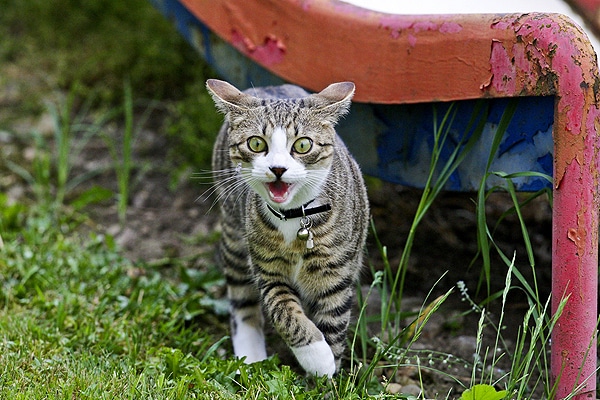
Cats are creatures of routine, which is exactly why a sudden change in behavior can feel so alarming. A cat that normally greets you at the door may start hiding under the bed. An independent loner may begin following you from room to room. A quiet animal may start yowling at 3 a.m. For many owners, the first question is simple: is this normal, or is something wrong?
The honest answer is that it can be either. Plenty of odd cat behavior is perfectly ordinary. Kneading, chattering at birds through a window, sprinting through the house at midnight and knocking objects off tables are all well-worn feline habits with straightforward explanations, from instinct to boredom to a simple bid for attention. These quirks are rarely cause for concern, especially if they have always been part of your cat's personality.
The key word is change. Veterinary behavior experts consistently stress that what matters most is a shift from your individual cat's baseline. A cat that has always been shy and hides when visitors arrive is behaving normally. A cat that has always been sociable and suddenly withdraws deserves a closer look.
Hiding is one of the most common signals. Cats are skilled at masking pain and illness, a trait inherited from ancestors that could not afford to look vulnerable. When a cat retreats to a closet or behind the sofa for long stretches, it may be stressed by a new pet, a house move, construction noise or even rearranged furniture. But it can also point to discomfort, fever or illness.
Sudden clinginess works in a similar way. Some cats become more affectionate during stressful periods, seeking reassurance from their people. Others become unusually attached because they feel unwell. Older cats in particular may grow needy as hearing, vision or cognitive function declines.
Unusual vocalizing is another flag. Excessive meowing, howling at night or new sounds can be linked to hunger, anxiety, hormonal changes or medical conditions such as an overactive thyroid, high blood pressure or kidney disease. Senior cats with cognitive dysfunction often become noisy and disoriented after dark.
Litter box habits deserve special attention. A cat that starts going outside the box is often trying to communicate a problem, whether a urinary tract issue, arthritis that makes climbing in painful, or stress about the box's location. Punishing the cat only makes matters worse.
So when should you call the vet? Contact your veterinarian if a behavior change lasts more than a day or two, if your cat stops eating or drinking, if there is straining in the litter box, vomiting, labored breathing, or if the cat seems to be in pain. Because cats hide illness so well, it is better to check early than to wait.
If the vet finds nothing physical, the next step is looking at the environment. Keep routines steady, give your cat vertical spaces and hiding spots, provide enough litter boxes, and set aside daily play sessions. Pheromone diffusers can help some anxious cats. Keeping a short log of when the behavior occurs can also help your vet spot patterns.
In the end, knowing what is normal for your own cat is the best tool you have. The more closely you pay attention to their everyday habits, the faster you will notice when something is off.
Reporting based on an external source.