Your Cat Won't Say It's Sick, but the Litter Box Might
Cat Health·September 29, 2026
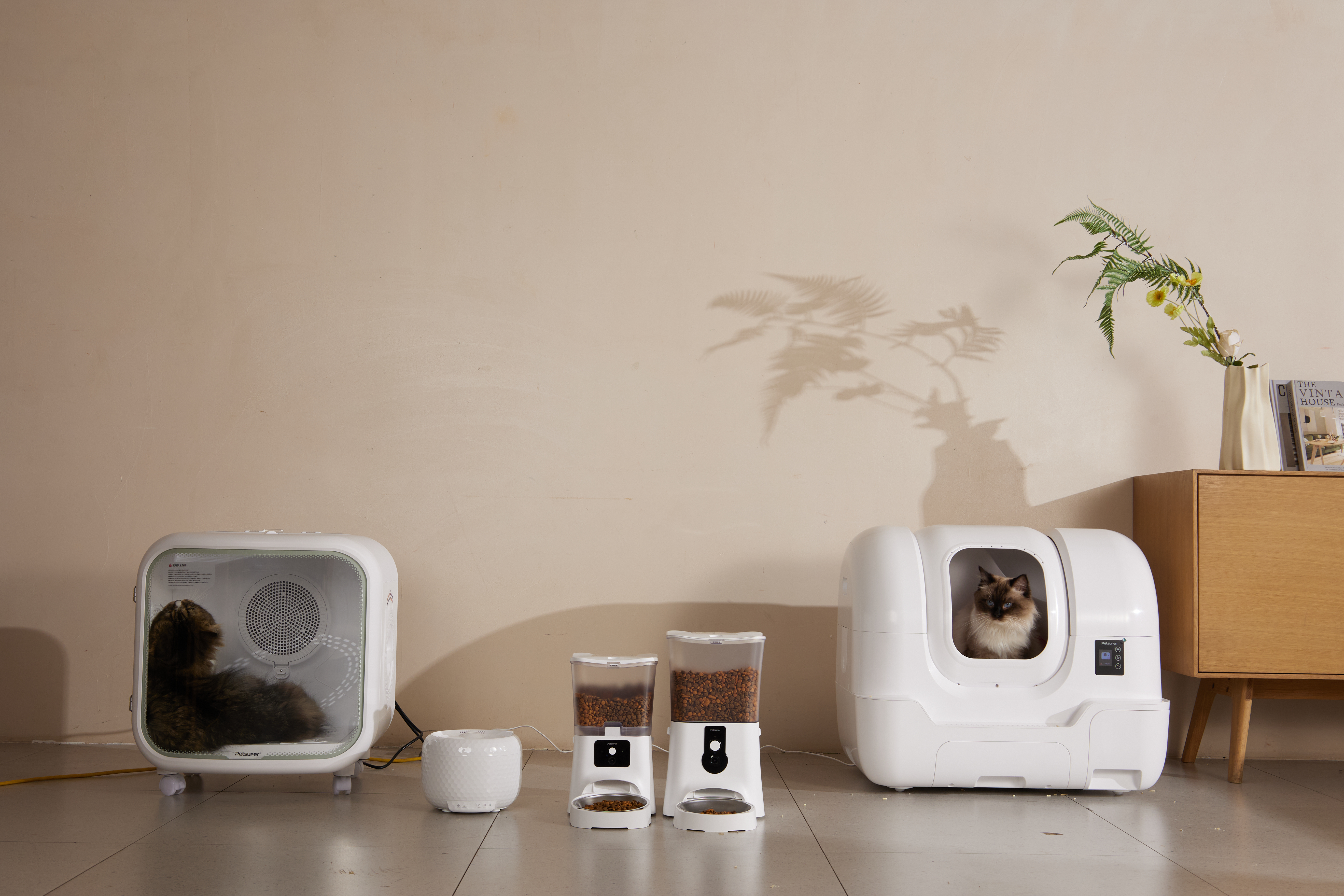
Cats have a reputation for being low-maintenance pets, and in many ways that is fair. They groom themselves, tolerate time alone and rarely demand attention. But that same independence makes them hard to keep tabs on, and it means early signs of illness can slip past even attentive owners.
The clues tend to be small. A cat that visits the litter box a little more often, strains, or produces noticeably larger or smaller clumps may be signaling a urinary or kidney problem. Changes in how much a cat eats or drinks can point in similar directions. The difficulty is that these shifts happen gradually and mostly out of view, so they are easy to miss or to dismiss as a quirk.
That is the gap smart litter products are trying to fill. Rather than relying on memory or a quick glance at the scoop, these systems log how often a cat uses the box, how long each visit lasts and, in some models, the cat's weight. Feeding and water devices can add data on appetite and hydration. Over weeks, the numbers build a baseline for the individual animal, which makes a departure from normal much easier to see.
Why does that matter? Many feline conditions, including urinary tract disease, kidney disease and diabetes, are far easier to manage when caught early. A vet visit prompted by a documented trend, such as a steady rise in daily bathroom trips, gives the clinician something concrete to work with, rather than an owner's vague sense that something seems off.
There are limits. A sensor cannot diagnose anything, and a spike in numbers can have harmless explanations, from a change in diet to a stressful week at home. In multi-cat households, tracking is only useful if the system can tell the animals apart. Owners should treat alerts as a reason to look closer and call a vet, not as a verdict.
Basic observation still counts too. Noting how much litter is being used, watching for accidents outside the box and keeping an eye on the water bowl costs nothing. Technology simply makes the habit more consistent, especially for busy households.
For cat owners, the takeaway is straightforward. Because cats rarely show discomfort openly, routine data about everyday habits can be one of the best early-warning tools available. Whether it comes from a connected litter box or a careful daily check, paying attention to the small stuff may help a cat live a longer, healthier life.
Reporting based on an external source.