What Your Cat's Sleeping Position Is Really Telling You
Cat Behavior·September 29, 2026
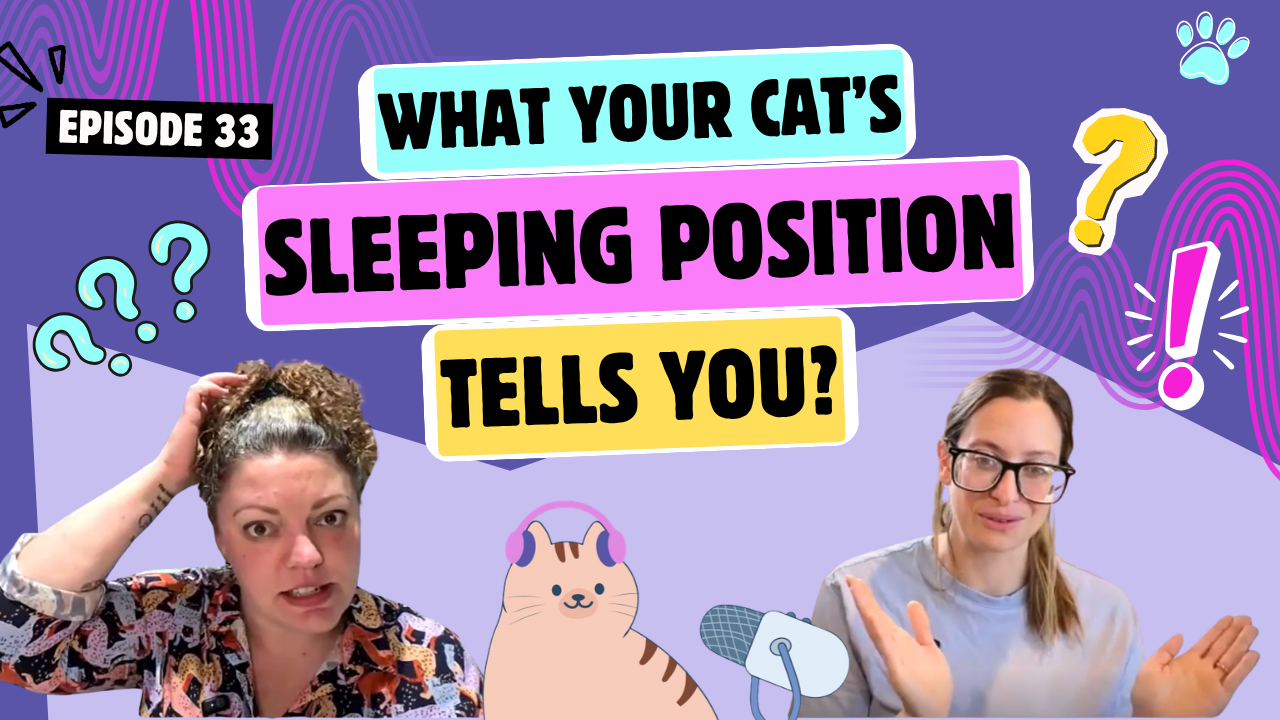
Cats spend a huge share of their lives asleep, and the way they settle in says a lot about how they feel. That is the focus of episode 33 of Catster's Chatty Cattys podcast, where Dr. Karyn and Nicole walk through the most common feline resting postures and what each one can signal.
The hosts start with the classics. The loaf, with paws tucked under the body, generally points to a cat that is relaxed but not fully switched off. It is a ready-to-move position, comfortable enough for a rest yet easy to spring out of if something interesting or alarming happens. A curled-up ball, by contrast, is often about warmth and feeling secure, since the pose conserves body heat and protects the belly.
A cat stretched out on its back with the stomach exposed is usually showing deep trust in its surroundings. The hosts note, though, that an exposed belly does not automatically mean an invitation to rub it, a reminder many cat owners have learned the hard way.
The conversation also touches on one of the internet's favorite feline habits: squeezing into tubes, boxes and other snug spaces. Tight, enclosed spots can make cats feel protected and help them hold in warmth, which helps explain why an empty cardboard box can beat an expensive bed.
Not all sleep-related behavior is quite so peaceful. Dr. Karyn and Nicole also address the nighttime energy bursts that leave many households sleep-deprived. Cats are naturally most active around dawn and dusk, so a cat that has dozed all day may be raring to go just as its owner wants to rest. Their suggestions center on working with that rhythm rather than fighting it, such as scheduling active play sessions in the evening, followed by a meal, to encourage a wind-down period.
Changes in sleep habits deserve attention too. A cat that suddenly sleeps far more or less than usual, hides to rest, or avoids its favorite spots may be dealing with pain, stress or illness, and a check with a veterinarian is a sensible step.
The full episode is available through Catster's podcast channels.
Reporting based on an external source.