Two Lions Once Kept as Trophy Pets Finally Get a Life Beyond Bars
Rescues·September 30, 2026
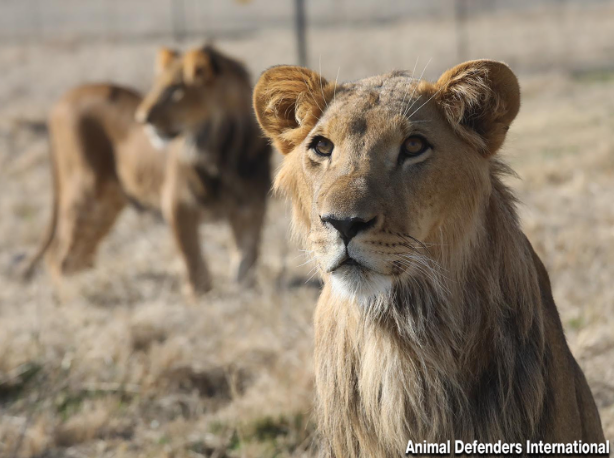
Ori spent the earliest days of his life in a basement. BenTzur was found tied to a tree by a short rope. Both were lion cubs, both were being kept as status symbols, and both were pulled out of those situations by Israel's Nature and Parks Authority as part of a wider effort against illegal wildlife trafficking.
Getting them out was the easy part to celebrate and, in many ways, the smaller part of the job. Lions taken from the exotic pet trade arrive with a tangle of problems. They have often been fed poorly, kept in cramped or unsuitable spaces and denied the social contact that big cats need. A cub that looks manageable becomes a powerful adult within a couple of years, which is why so many "trophy pets" end up abandoned or confiscated. Once seized, they cannot simply be released. Animals raised by humans lack the skills to survive in the wild, and there is no obvious place for them to go.
That leaves authorities and sanctuaries with a hard question: where does a confiscated lion live for the next 15 to 20 years? Long-term placement requires secure, spacious enclosures, specialist veterinary care, and steady funding. The regional conflict has added another layer of difficulty, complicating the logistics of moving and housing large predators and stretching the resources of the people who look after them.
The outcome for Ori and BenTzur is the one conservationists hope for in these cases, a settled life in proper accommodation rather than a chain or a cellar. Their stories also serve as a reminder of how the illegal trade works. Demand for lion cubs as pets or photo props is what keeps traffickers in business, and every cub sold fuels the next round of smuggling and breeding.
Wildlife groups consistently point out that ending the problem means tackling it at both ends: enforcement against traffickers, and public awareness that a lion is never a pet. For the two animals now safe, the change is huge. For the many others still hidden in basements and backyards, it is a reminder that the work is far from finished.
Reporting based on an external source.