Your Cat's Purr Is as Personal as a Fingerprint
Cat Behavior·September 29, 2026
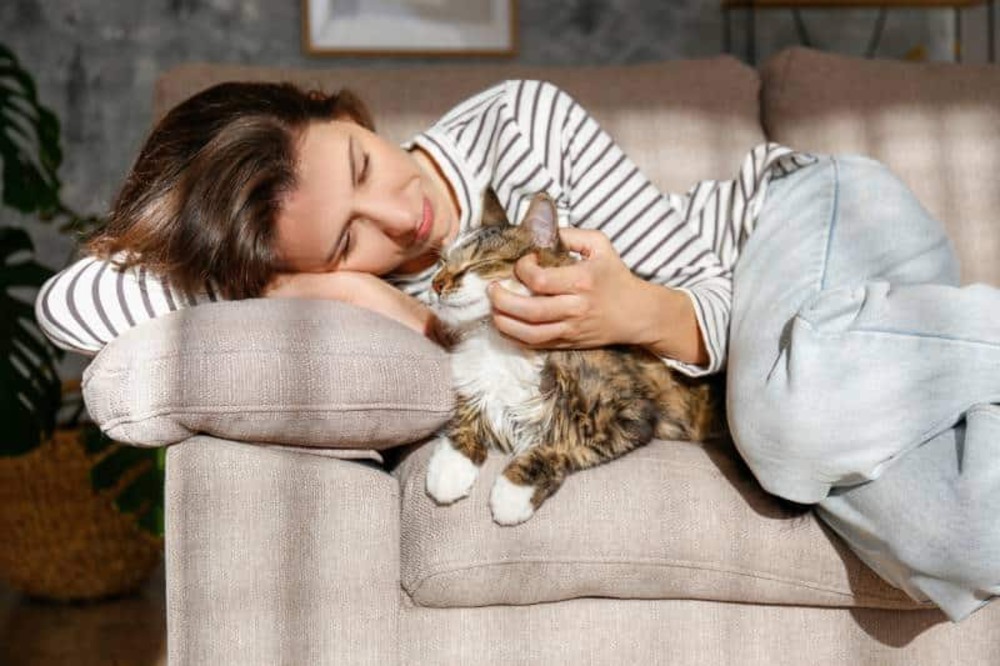
Ask any cat owner to describe their pet's purr and the answers come quickly. One cat rumbles like a tiny idling engine. Another produces a delicate, almost squeaky hum. Some cats add a chirp or a trill on top. Chances are you could pick out your own cat's purr from another room without laying eyes on them.
That instinct is well founded. A purr is not a single fixed sound that every cat produces the same way. Each cat's voice is shaped by the size and structure of their body, the way they use their throat muscles, and their own habits. The result is a signature sound that differs from one animal to the next, much like a human voice.
For owners, this matters more than it might seem. Because the purr is so individual, it can work as a baseline. Once you know what your cat normally sounds like when relaxed, changes become easier to notice. A purr that turns unusually raspy, weak or strained, or that suddenly appears at odd moments, may be worth mentioning to your veterinarian, especially if it comes with other changes in appetite, energy or behavior.
It also helps to remember that purring is not only a sign of contentment. Cats commonly purr when they are happy, curled up on a lap or kneading a blanket. But they can also purr when they are nervous, in pain or unwell, seemingly as a way of soothing themselves. Reading the sound alone is not enough. Body language, posture, and the situation all give context. A relaxed cat with soft eyes and a loose body is telling a very different story than a tense, hunched cat that is purring at the vet's office.
Some cats have also learned to tailor their purr to get what they want. Many owners report a more urgent, demanding version that shows up around mealtime, one that blends the usual rumble with a higher-pitched note. Cats seem to figure out quickly which sounds get a response from the people they live with.
The practical takeaway is simple. Pay attention to your cat's purr the way you would to any other part of their routine. Notice when it happens, how it sounds, and what is going on around it. That small habit can deepen your bond and give you an early clue when something is off.
So the next time your cat settles in beside you and the familiar rumble starts up, listen a little more closely. You are hearing a sound that belongs to your cat alone.
Reporting based on an external source.