Why "Pspsps" Works on Cats Almost Every Time
Cat Behavior·September 30, 2026
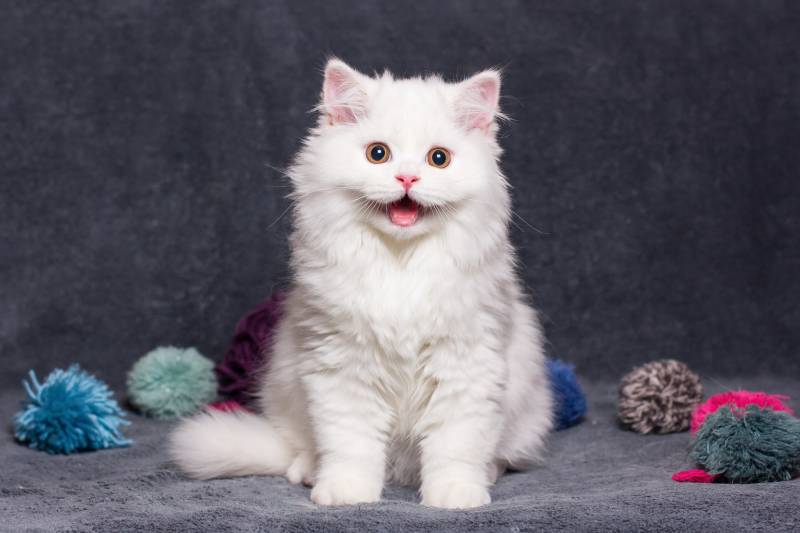
Cat owners know the trick. Rattle a bag of treats, open a can of tuna, or whisper a quiet "pspsps," and a cat across the room will often swivel an ear, look up and wander over. The whisper is the odd one out, since it has no obvious link to food. So why does it work?
The most likely explanation is that the sound sits in a range cats are built to notice. Cats hear far higher frequencies than people do, and their ears are tuned to the faint, sharp noises made by small prey, such as rustling leaves, scratching claws or the squeak of a rodent in the grass. A soft, hissy, high-pitched "pspsps" is close to that kind of noise. To a cat, it may signal that something small and interesting is nearby.
It also helps that the sound is short, sudden and unfamiliar in a friendly way. Cats are curious animals, and a new noise from a person is worth investigating, especially when it comes with a calm, inviting tone. Many cats also learn quickly. If "pspsps" has ever been followed by a treat, a cuddle or a game, the cat connects the sound to a reward and comes running next time.
Not every cat responds, and that is normal. Some are shy, some are older and hear less well, and some simply prefer to ignore you. Cats with hearing loss may miss the sound entirely. A cat that suddenly stops reacting to sounds it used to notice is worth mentioning to a vet.
If you want to use the call well, a few habits help. Keep it soft and low in volume, because a loud or repeated call can feel more like pressure than an invitation. Pair it with something the cat enjoys, so the sound keeps its meaning. Do not use it to lure a cat into a carrier or toward something unpleasant, since that can break the trust the sound has built up.
It is also handy outdoors. Many people use it to get the attention of a friendly stray or a neighborhood cat, but it is wise to stay calm, crouch down, let the animal come to you and avoid grabbing. A cat that chooses to approach is a cat that feels safe.
So the next time your cat glides in from another room at the faintest "pspsps," you can put it down to good hearing, natural curiosity and a little learned reward. It is a small, free way to say hello in a language cats seem happy to answer.
Reporting based on an external source.