Stray Husky Nate Looked Like an Abuse Case Until a Microchip Scan Changed the Story
Rescue Stories·October 1, 2026
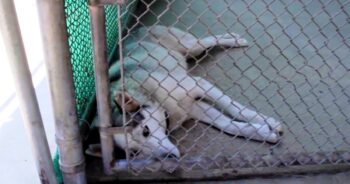
A purebred Husky wandering the streets like a stray is not something shelter workers see every day. When Nate turned up, staff quickly saw that he was not like the other homeless dogs coming through the doors.
According to the account circulating online, Nate's eyes looked hollow and haunted. He was extremely skittish and appeared to shut down around people, the kind of behavior that many rescuers read as a sign of a rough past. To the team caring for him, he looked like one more case of neglect or abuse.
Then came the step every shelter takes with a dog of unknown origin: scanning for a microchip. The result reportedly "freaked out" the worker who ran the scan, and it shifted how the team understood Nate's situation. The original story is told in a video, and the details of what the chip revealed are best viewed in the source itself, so we will not guess at them here.
What the case does show is how much a first impression can miss. A dog that is withdrawn, jumpy or unwilling to make eye contact is often assumed to have been mistreated. Fear can have many causes, including the stress of being lost, hunger, injury, unfamiliar noise and the chaos of a shelter intake area. Behavior alone rarely tells the full history, which is why identification data matters.
That is where microchips earn their keep. A chip is a tiny implant, about the size of a grain of rice, placed under the skin between the shoulder blades. It carries an ID number rather than a tracking signal. A handheld scanner reads the number, and the shelter or vet then looks it up in a registry to find the owner's contact details.
The chip is only as good as the registration behind it. Owners who move, change phone numbers or adopt a dog without updating the record can leave a chip pointing nowhere. Experts commonly advise checking the registry details once a year and after every change of address or ownership.
For anyone who finds a dog on the street, the best step is simple: take the animal to a shelter or veterinary clinic and ask for a scan, rather than assuming the worst or keeping the dog without checking. Nate's story is a neat example of why that routine check can turn a mystery into answers.
Reporting based on an external source.