Soft Dog Treats Make Training Easier and Kinder on Sensitive Mouths
Dog Nutrition·September 29, 2026
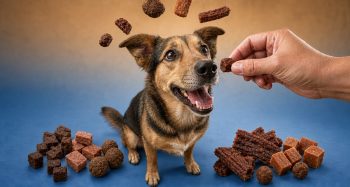
Not every dog can crunch through a hard biscuit. Puppies with new teeth, seniors with worn or missing ones and dogs healing after dental surgery often do better with something softer, and that is why soft treats have become a staple in many households.
The appeal goes beyond comfort. A soft treat can be swallowed in a second or two, so a dog stays focused on the handler instead of stopping to crunch. For trainers, that speed matters. Rewards can be delivered rapidly and repeated many times in a session without breaking the rhythm of the lesson.
Soft treats also tend to be strongly scented, which helps when a dog is distracted or learning something new. Many owners find they can tear them into pea-sized pieces, stretching one treat across a whole training session and keeping calories in check.
Different life stages benefit in different ways. Puppies are still learning what is expected of them and need frequent, tiny rewards. Older dogs may have sore gums or dental disease that makes hard chews unpleasant. Dogs coming back from a tooth extraction or other oral procedure often need a gentler diet for a while, and a soft option lets them keep enjoying a reward without pain. Owners in that situation should always follow their vet's guidance on what a recovering dog can eat.
When shopping, start with the ingredient list. Look for a recognizable protein such as chicken, beef or salmon near the top, and be cautious with long lists of fillers, artificial colors or added sugars. Dogs with food allergies may need limited-ingredient or grain-free recipes, though your vet can tell you whether that is truly necessary for your pet.
Size and texture matter too. Choose pieces small enough for your dog's breed, or ones that break apart easily. Because soft treats hold more moisture, they can spoil faster than dry biscuits. Store them as the package directs, reseal the bag and check for mold or off smells before handing them out.
Finally, remember that treats are still extra calories. A common rule of thumb is to keep treats to no more than about 10 percent of a dog's daily intake. Soft treats are easy to overfeed because they are so easy to eat, so break them up and count them into the day's total.
Used thoughtfully, soft treats can make training smoother and mealtimes more comfortable for dogs with delicate mouths. Pick a quality recipe, keep portions modest and let your dog's age and health guide the choice.
Reporting based on an external source.