 Petguardian
Plant-Based Flea Control for Dogs: What the Natural Options Actually Offer
Pet Health·October 2, 2026
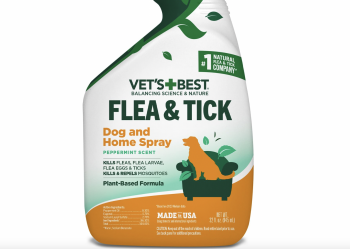
Dog owners looking to cut back on conventional chemical treatments have more plant-based flea products to choose from than ever. A 2026 roundup from iHeartDogs sorts nine of them by active ingredient, how long protection lasts and which pests each product claims to handle, giving shoppers a practical way to compare a crowded category.
Most natural flea products lean on botanical oils and extracts, such as cedarwood, peppermint, lemongrass, rosemary and clove. They show up as sprays, collars, shampoos, wipes and topical drops. The pitch is simple: a gentler profile for households that want to limit synthetic pesticides around pets and children.
The comparison matters because these products are not interchangeable. Duration varies widely. A spray or wipe may need reapplying every few days or after every bath or swim, while a collar is designed to work for weeks. Pest coverage differs too. Some formulas target fleas only, while others also list ticks and mosquitoes. Owners who live in tick-heavy areas should read those claims closely rather than assume a flea product covers everything.
There is also a caution that applies to the whole category. Plant-based does not mean risk-free. Essential oils can irritate skin, and some are harmful to pets when used incorrectly or in concentrated form. Cats in the same home are especially sensitive to many oils, so a dog product should be kept away from them, and owners should check labels before using anything on a multi-pet household. Dogs with sensitive skin, allergies or existing health conditions deserve extra care, and it is sensible to test a small area first.
The roundup also stresses that natural options have limits. Fleas reproduce quickly, and a heavy infestation can take hold in bedding, carpets and yards within weeks. Fleas can transmit tapeworms and cause anemia in small or young dogs, and ticks carry diseases that can seriously harm a dog. In those situations, a botanical spray is unlikely to be enough. The guide advises owners to call their veterinarian about a prescription preventive when a dog has repeated infestations, lives in a high-risk area, is very young, old or ill, or simply is not responding to over-the-counter products.
For owners who want to stay with plant-based care, a few habits improve results. Wash bedding regularly in hot water, vacuum often, treat the home and yard as well as the dog, and stay consistent with reapplication. Follow dosing and age guidance on the label, and stop use if the dog shows redness, itching, drooling or lethargy.
The takeaway for pet owners is straightforward. Natural flea protection can be a reasonable choice for mild, low-risk situations if you match the product to your dog and your region. When the stakes rise, veterinary guidance should take priority over the label on the bottle.
Reporting based on an external source.