Loyal Dogs Show Devotion in Small, Everyday Ways
Dog Behavior·September 30, 2026
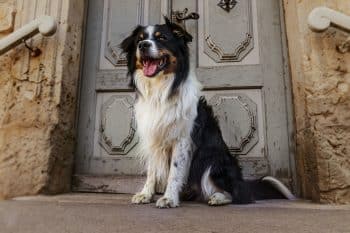
Ask most owners how they know their dog is loyal and they will describe something dramatic. But behavior experts and longtime dog people point out that devotion is usually built from small, repeated gestures that are easy to miss in the rush of daily life.
The most familiar one is the shadow. A dog that trails you from the kitchen to the bathroom to the couch is not being clingy for the sake of it. Dogs are social animals, and staying close is a way of keeping tabs on the people they are bonded to. Simply lying near your feet while you work or watch television, with no treat or game on offer, is often a stronger sign of attachment than any excited display.
Reunions are another giveaway. The wagging, wiggling greeting a dog gives after you have been gone ten minutes or ten hours reflects social connection and the positive associations built over time. Many dogs also learn the rhythm of a household, waiting by the door at the usual time or perking up at the sound of a particular car. That anticipation is partly routine, but it is routine centered on a person they care about.
Comfort is where loyalty can feel most striking. Plenty of owners report that their dog seems to sense a rough day, resting a head on a lap, leaning in, or sitting quietly nearby. Researchers remain careful about how much emotional understanding to read into this, but dogs are clearly tuned in to human body language, tone of voice and changes in routine, and they often respond by staying close.
Eye contact, checking in on walks, and leaning against your legs are also part of the picture. A dog that regularly glances back to see where you are, or looks to you before deciding what to do in an unfamiliar situation, is showing trust. Protective behavior, such as alerting to a noise or positioning themselves between you and something unfamiliar, can also be an expression of bonding, though it should be managed so it does not tip into anxiety or reactivity.
It is worth remembering that every dog shows devotion differently. Breed tendencies, age, temperament, past experiences and training all shape how a dog expresses attachment. A shy rescue may show loyalty by simply choosing to sleep in the same room. A high-energy retriever may show it by bringing you every toy it owns. Neither is more loyal than the other.
For owners, the takeaway is practical. Loyalty grows out of positive experiences, consistency and time together, so the best way to deepen it is to be predictable, gentle and present. Notice the quiet moments, respond kindly to a dog that seeks you out, and do not punish the behaviors that come from wanting to be near you. And if a normally attached dog suddenly withdraws or becomes unusually needy, that can signal stress or a health problem worth raising with a veterinarian.
In the end, the loyalty dogs offer is rarely flashy. It is the steady, ordinary habit of choosing to be wherever their person is.
Reporting based on an external source.