Is Your Cat Plotting or Just Staring? What Science Says About Feline Minds
Cat Behavior·September 29, 2026
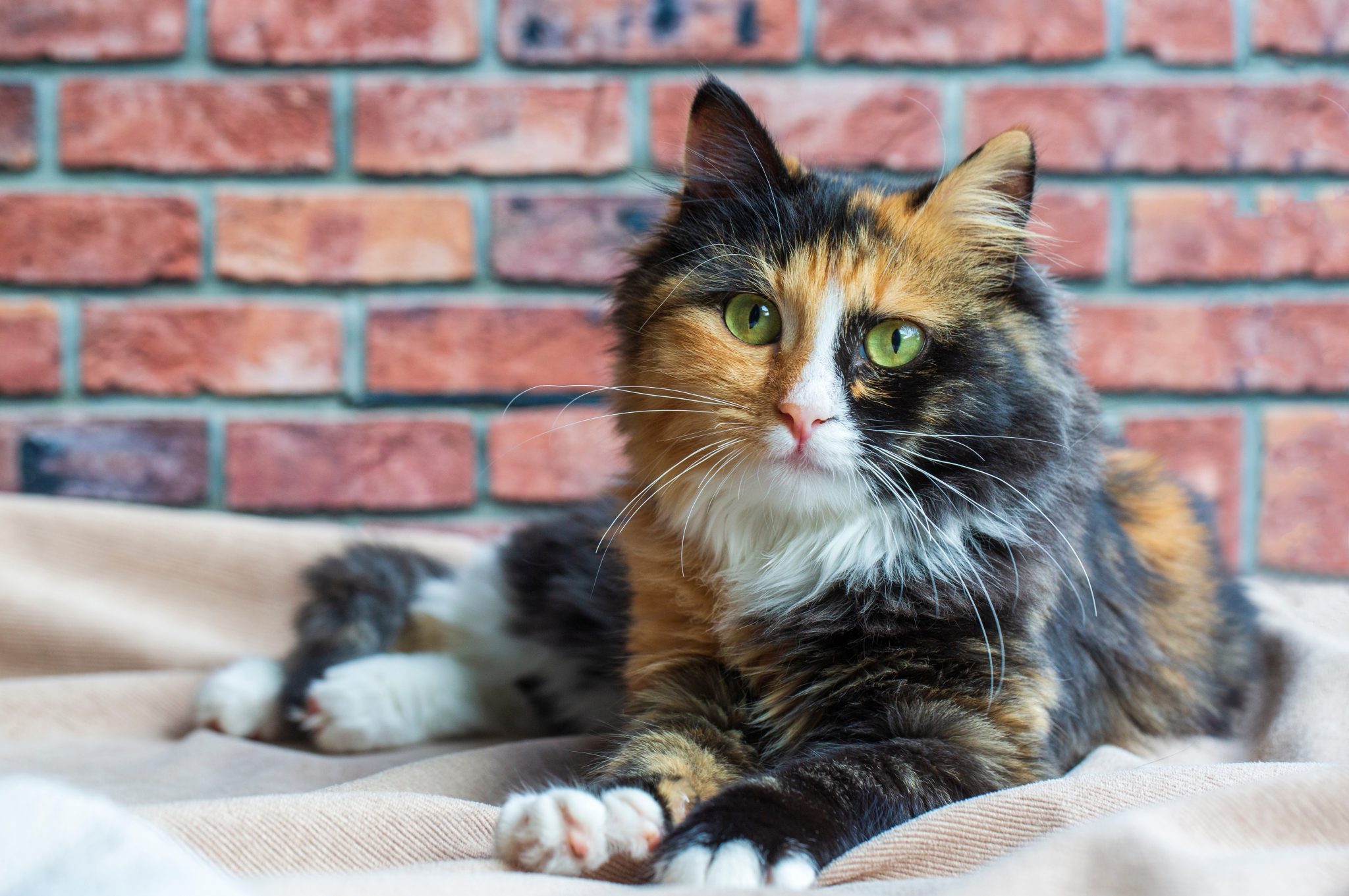
Anyone who shares a home with a cat knows the look. The animal sits at a window, motionless, eyes fixed on something invisible to the rest of the household. Or it sprawls across the couch with a calm, unreadable expression. It is tempting to assume a rich internal monologue is playing out behind those eyes.
Researchers say the reality is much harder to pin down. Cats cannot tell us what they are thinking, and unlike dogs, they have not been bred over thousands of years to look to humans for cues and direction. Their faces are also less expressive to us, which leaves plenty of room for owners to project human thoughts onto them.
That gap between what we see and what is happening matters. A cat that stares out a window may be tracking birds, insects or movement far beyond what a person would notice. Cats have sharp vision for motion and hearing tuned to high frequencies, so a sitting cat is often processing a great deal of sensory information. That does not mean it is reflecting on its day or planning anything elaborate.
Cats also sleep a great deal, commonly spending well over half the day resting or dozing. Much of that time is light sleep, which can look like quiet alertness. A cat with half-closed eyes may be drifting, watching, or simply conserving energy, the way its wild ancestors did between hunts.
What scientists can say with more confidence is that cats have real preferences, memories and emotional responses. They learn routines, recognize their owners' voices, and show signs of stress or contentment through posture, tail position, ear movement and vocal habits. Those signals are a more reliable window into a cat's state than a long, blank gaze.
For owners, the practical takeaway is to treat staring as normal behavior in most cases, while paying attention to changes. A cat that suddenly stares at walls, seems disoriented, or stops responding to familiar stimuli may need a veterinary check, since cognitive decline and other health problems can show up as odd behavior, particularly in older animals.
Enrichment is the other lesson. Window perches, puzzle feeders and short play sessions that mimic hunting give a cat's busy senses something to do. Even if we never fully learn what goes on in there, giving cats safe ways to stalk, chase and explore is one of the best ways to support a healthy mind.
Reporting based on an external source.