In Rural Texas, One Rescuer's Road Trips Give Abandoned Dogs a Way Out
Rescue Stories·September 29, 2026
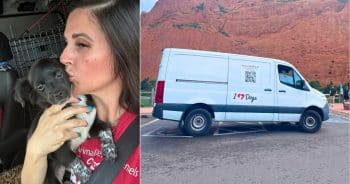
In much of the country, a call about an abandoned dog sets a familiar process in motion: an animal control officer responds, and the dog lands at a shelter that takes in any animal that arrives. In rural Bosque County, Texas, that chain often does not exist.
Here, help tends to come from whoever is willing to step in. A neighbor lends a crate. A volunteer makes the drive. A foster opens a spare room. A rescue group finds a place to send the dog. Without one of those people, the animal may simply stay where it was left.
Alexis Sibila, president of BARK Rescue, knows how much work it takes to turn a single phone call into a safe outcome for a dog. Working alongside her friend and fellow rescuer Chelsea, she has helped build a transport effort that moves dogs out of an area with few resources and toward places where they can be placed in homes. The effort is now tied to the iHeartDogs Rescue Road Trips program, which follows these journeys.
The story points to a gap that animal welfare advocates often describe. Rural counties can have high numbers of stray and dumped dogs but little in the way of public shelter capacity, staffing or funding. In those places, private rescuers frequently take on tasks that are handled by government agencies elsewhere: fielding reports, arranging vet care, finding fosters and coordinating travel.
Transport is a large part of that work. A dog that is safe in a foster home still needs an adopter, and adopters are often hundreds of miles away in areas with greater demand. Relay drives, volunteer drivers and planned routes connect the two. Each leg depends on people giving their time and fuel, which makes the network only as strong as its most reliable volunteers.
For readers who want to help a local rescue, the lesson is practical. Fostering, even for a short period, frees up space. Driving a single leg of a transport can move a dog closer to a home. Donations to small groups often cover vet bills, crates and gas rather than overhead. Rescuers like Sibila and Chelsea show how much of that structure is built by a handful of committed people rather than by institutions.
Reporting based on an external source.