 Petguardian
Deaf Puppy Adopted Despite Doubters Is Now Training to Be a Therapy Dog
Adoption Stories·October 4, 2026
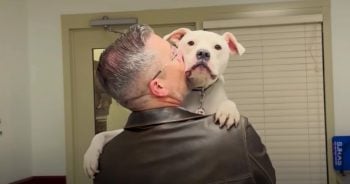
Christopher was ready to adopt his first rescue dog when he met a deaf puppy named Cole. Not everyone saw the match the way he did. One man asked him, bluntly, why he would want a "broken" dog.
For Christopher, the question missed the point. His nephew was born deaf, so he already knew that deafness is a difference in how someone communicates, not a defect. That personal link made Cole feel less like a challenge and more like a natural fit.
The bond changed how Christopher thought about the whole adoption. Rather than treating Cole's hearing loss as a hurdle to manage, he began to notice what the puppy did well. Cole, he realized, had a special way with people. Without sound to rely on, deaf dogs often become very tuned in to faces, body language and touch, and Cole seemed to read the humans around him with unusual care.
That observation sparked a new goal. Christopher decided to pursue therapy dog training with Cole, aiming to put that sensitivity to work comforting others. The plan turns the original insult on its head. The trait a stranger called a flaw is the same one Christopher now sees as an advantage.
Deaf dogs are a common sight in shelters, and they are often overlooked because adopters worry they will be harder to train or care for. In practice, many owners find the opposite. Deaf dogs can learn through hand signals, visual cues and consistent routines, and they tend to form close attachments with the people who take the time to learn their language. Training usually leans on patience, positive reinforcement and a few extra safety habits, such as using a fenced yard or a leash in open areas, since a deaf dog cannot hear a recall command.
Christopher's story is a reminder that "special needs" does not mean "less able." Shelters regularly describe deaf, blind and three-legged pets as waiting longer than their peers, even though they often adapt quickly and thrive in the right home. Cole's path toward therapy work suggests that some of those dogs may have a lot to give, if someone is willing to look past the label.
For anyone considering adoption, the takeaway is simple. Ask what a dog can do, not what it can't. Christopher did, and he found a partner who may soon be helping other people heal.
Reporting based on an external source.