Calming Meds May Help Keep Blocked Cats Alive
Feline Health·September 29, 2026
Few situations send a cat owner rushing to the clinic like a male cat who strains in the litter box and produces nothing. A blocked cat is one of the most frequent emergencies veterinary teams see, and it is not one to wait out. When the urethra is obstructed, the cat cannot pass urine, toxins build up in the blood, and the condition can turn fatal within days.
Even when treatment works, the story is often not over. Recurrence is frustratingly common, and research shows that a significant share of cats that are unblocked once will end up obstructed again. For owners, that can mean repeat hospital stays, mounting bills and, in some cases, hard decisions about the cat's future.
That is why attention is turning to a factor that is easy to overlook: stress. Many cats with lower urinary tract disease have no infection or stones at all. In these cases, vets suspect that anxiety and environmental stress feed inflammation and spasm in the urinary tract, making a repeat blockage more likely. Cats are creatures of routine, and changes at home, conflict with other pets or a lack of hiding places and resources can all raise their stress levels.
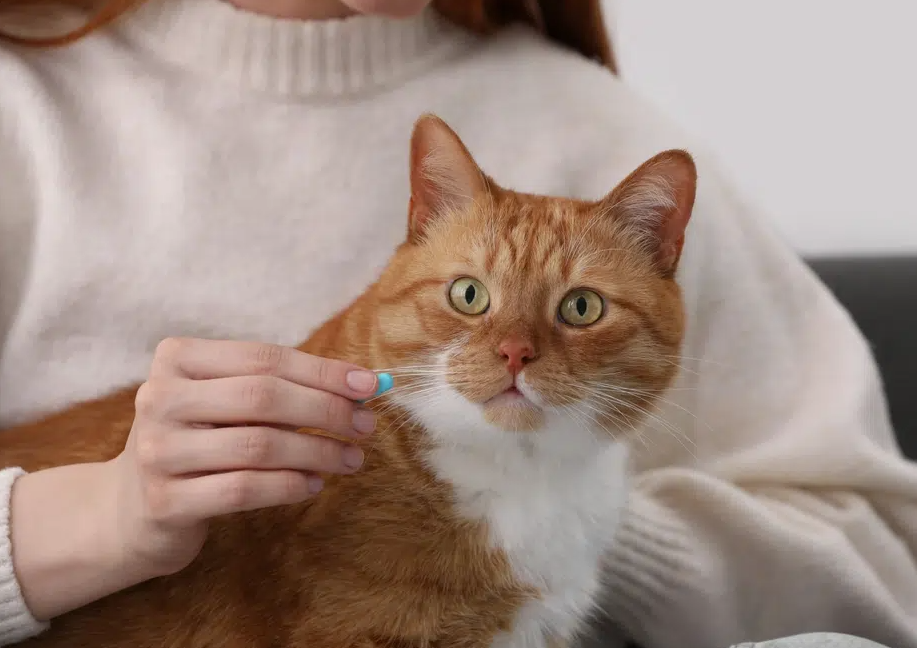
Anti-anxiety medication is being explored as one piece of the puzzle. The idea is straightforward. If calming a cat's nervous system helps relax the urethra and reduces the stress driving flare-ups, fewer cats may end up back on the emergency table. Drugs in this category are already used in feline behavior medicine, so vets have experience with dosing and side effects, although choices should always be made with a veterinarian and never through home dosing.
Medication is unlikely to work alone. Vets generally recommend combining it with practical changes that lower daily stress. These include:
Increase water intake. Wet food and multiple fresh water sources help keep urine dilute.
Keep litter boxes clean and plentiful. The usual guideline is one per cat plus one extra, placed in quiet spots.
Provide enrichment. Perches, scratching posts, hiding places and regular play give indoor cats an outlet.
Keep routines steady. Sudden changes in feeding times, visitors or household layout can be a trigger.
Owners of male cats, particularly those with a history of urinary trouble, should also know the warning signs: repeated trips to the litter box, crying or straining, licking at the genitals, blood in the urine, hiding or vomiting. Any of these in a male cat should be treated as urgent.
The bottom line is that preventing a second blockage may depend as much on the cat's state of mind as on its plumbing. If your cat has been through an obstruction, ask your vet whether a stress-focused plan, possibly including medication, makes sense for your household.
Reporting based on an external source.